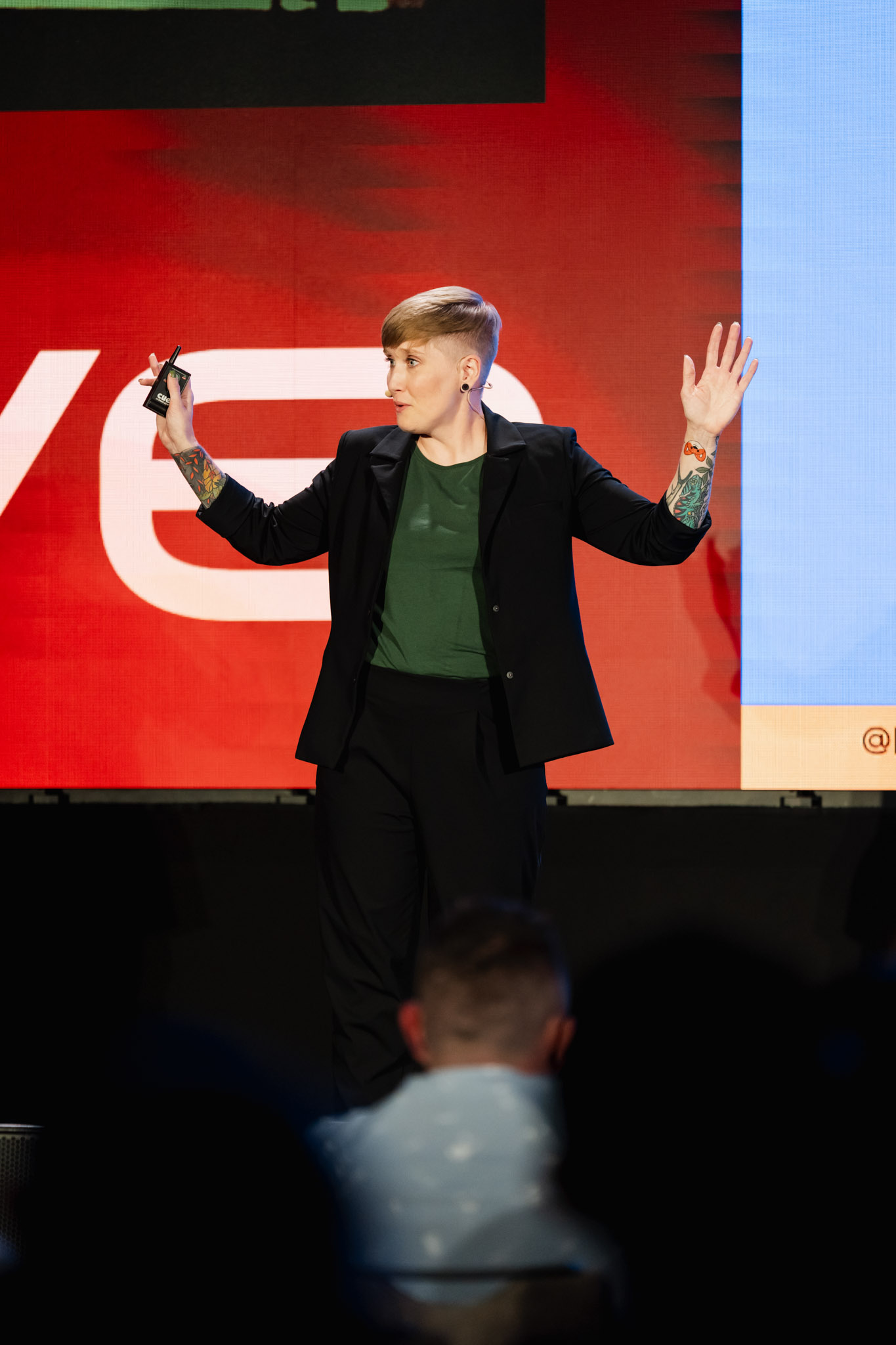
Hi, I’m Heather Physioc – speaker, educator, trainer, and globally recognized leader.
Coming Up
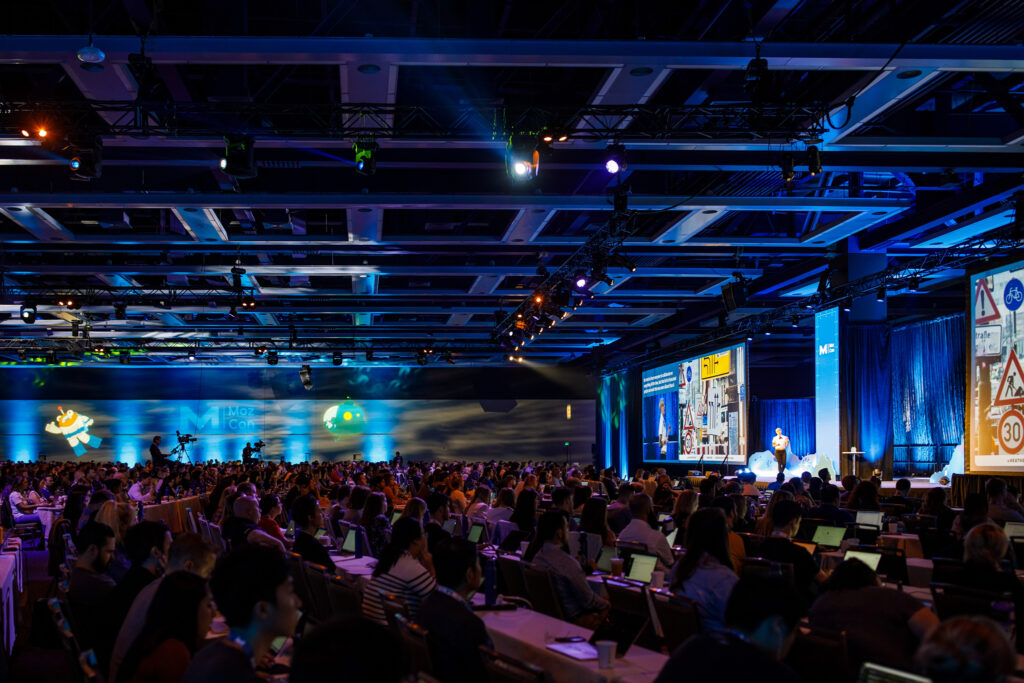
- “Authenticity in the Age of AI: What’s Next for Outdoor Photographers?” panel at Outdoor Writers Association of America Conference – August 22-24, 2026 in Madison, Wisconsin
- “Future of Digital Outlook” panel at eMarketer Summit 2026 – September 15, 2026 in New York City, New York
- “Answer Engine Ready: How United Rentals Is Rebuilding Discoverability for the AI Search Era” at Marketing Brew Summit 2026 – September 30, 2026 in New York City, New York
- “Found, Chosen, Booked: How Today’s Travelers Decide—and What Marketers Must Do Next” at the Kansas Tourism Conference 2026 – October 19-21, 2026 in Wichita, Kansas
- “How Travelers Find Destinations Online Today: What’s Changed, What Hasn’t, and What to Do About It” at the Iowa Tourism Conference 2027 – March 11-12, 2027 in Altoona, Iowa


Education.
Enablement.
Empowerment.
Organizations today are navigating constant change—AI, shifting customer behavior, internal complexity, and pressure to grow faster with fewer resources. Most teams don’t need more information. They need clarity.
AI is reshaping how people discover brands. Organizations are scaling faster than their systems. Leaders are being asked to make decisions in environments that don’t stand still. I help people make sense of that and navigate to the next best action.
Across discoverability, leadership, and growth, I break down complex systems—how they work, where they break, and what actually drives results—and translate them into clear, practical ways to move forward.
In every keynote, training, or workshop, your audience will:
- Understand what’s changing—and what still matters
- Learn how to cut through noise and focus on what drives impact
- Leave with practical frameworks they can apply immediately
My expertise is built from two decades of leading, scaling, and transforming real organizations. My frameworks and tools and designed to help people in any industry, at any level, to do the same.
Contact me to bring this experience to your conference stage, training curriculum or custom workshop experience, and help your audience elevate their thinking in practical, intersectional, inspirational, and impactful ways.
In addition to digital marketing, I am a photojournalist focused on outdoor, wildlife, conservation and travel topics. I am also active in causes that champion conservation, voting rights, and fair elections. Contact me for discounted services in service of these areas.
Have an idea in mind?
Built for organizations navigating complexity—where discoverability, leadership, and growth intersect.
Experience
Heather brings more than two decades of experience across search, marketing and journalism. As Chief Discoverability Officer at a global advertising network, she leads an international team helping Fortune 500 brands navigate how people find, evaluate, and choose in an AI-driven world. She has built and scaled discoverability programs across industries, translating complex systems into strategies that drive measurable growth.
Expertise
Heather’s work sits at the intersection of discoverability, leadership, and growth. She specializes in helping complex organizations:
- Navigate AI-driven shifts in search and customer behavior
- Turn fragmented data into clear strategic direction
- Align teams, systems, and priorities to drive performance at scale
Her sessions are designed for enterprise, multi-team, and scaling environments where clarity and execution are critical.
Topics
Popular sessions include:
- How AI is reshaping discoverability and the modern search journey
- Using search intelligence to uncover growth opportunities
- Turning customer behavior into actionable strategy
- Overcoming internal barriers to execute better marketing
- Building systems that scale across teams and channels
All content is tailored to the audience and grounded in real-world application.
Flexibility
Every session is built for the audience in the room. Whether working with marketers, cross-functional teams, or executive leaders, Heather adapts content to match their level, challenges, and goals, balancing strategic perspective with practical application. The result is an experience that is both clear and actionable, with takeaways people can use immediately.